


Who acts completely crazy on purpose? Weasels, for one! If they spot a rabbit they’d like for lunch, they’ll suddenly start acting like lunatics, leaping in the air, rolling around on the ground, and doing backflips. The bunnies are so stunned at this peculiar display they stop and stare until the weasel works their way close enough to pounce.
I think we can all sympathize with those bunnies about now. This past weekend, the world seemed to go mad before our eyes, pouncing on a law-abiding citizen as if he were lawful prey. Throughout a shocked nation, citizens are voicing a new sense of purpose, vowing to put an end to the madness.
Purpose, which can give direction and meaning to our lives, comes in
two types, according to psychologist Rob Archer. There’s self-related, which is focused on personal goals such as earning money and getting ahead, and what he calls transcendent, defined as broader, more outward looking, and contributing, however modestly, to making the world a better place.
We are all hard-wired to pursue self-related interests, such as finding work and surviving our first day on a new job. The
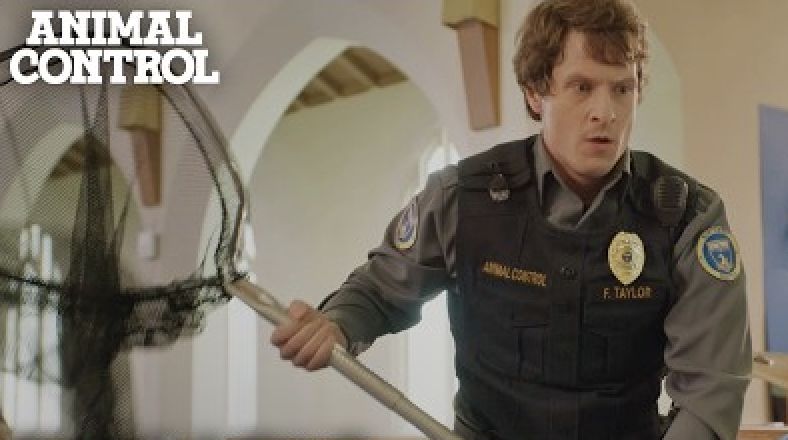
other night, seeking some lighthearted entertainment as a break from the news, I came upon a British comedy about a rookie animal control warden sent to remove a wild weasel from someone’s attic.
And before I write another word, let me assure you the weasel is FINE.
So the rookie sticks his head through the trap door into the attic, the weasel jumps him, and the two tumble down the steps into the living room. The panicked animal runs into the fireplace and moments later runs out again — with his tail on fire. You can guess the rest. The ottoman, couch, and a large throw pillow go up in flames. After considerable pandemonium, the rookie smothers the blazing furniture and the room in fire retardant chemicals. The door opens, and the weasel — tail extinguished — races outside.
The rookie’s supervisor steps in, looks at the homeowners, and says, “On a scale from 1 to 10, how would you rate our service today?”
This is a handy reminder, as if another were needed, of the wisdom of Robert Burns’ famous line, “The best-laid schemes o’ Mice an’ Men / Gang aft agley” (“often go awry”). Clearly that adage applies to the plans of weasels, too. I imagine this little fellow down at the pub afterwards, telling his mates, “I was just browsing around for dogfood or cookies, and it morphed into a scene from
Stranger Things
!”
No matter how often our efforts spiral into disaster, we all continue to hatch schemes in aid of some purpose we hold dear. The internet is awash with articles such as
The Importance of Living a Purpose-Driven Life
,
reminding us that purpose can fill us with energy, give our lives meaning, and offer a staggering array of health benefits.
“Imagine a drug,” wrote Professor Victor Strecher, author of
Life on Purpose
, “that was shown to add years to your life; reduce the risk of heart attack and stroke; cut your risk of Alzheimer’s disease by more than half; help you relax during the day and sleep better at night; double your chances of staying drug- and alcohol-free after treatment; activate your natural killer cells; diminish your inflammatory cells; increase your good cholesterol; and repair your DNA. What if this imaginary drug reduced hospital stays so much that it put a dent in the national health-care crisis? Oh, and as a bonus, gave you better sex?”
Interested? Who wouldn’t be? Of course, this imaginary drug is actually — you guessed it — purpose. Clearly a wise choice.
So what kind of purpose are we talking about? A grand passion that lasts a lifetime or a sudden impulse to sneak into someone’s house to snack on dogfood and cookies? While we all act in self-interest, Archer’s research found those who also have some transcendent purpose tend to interact with the world in a richer, more fulfilling way.
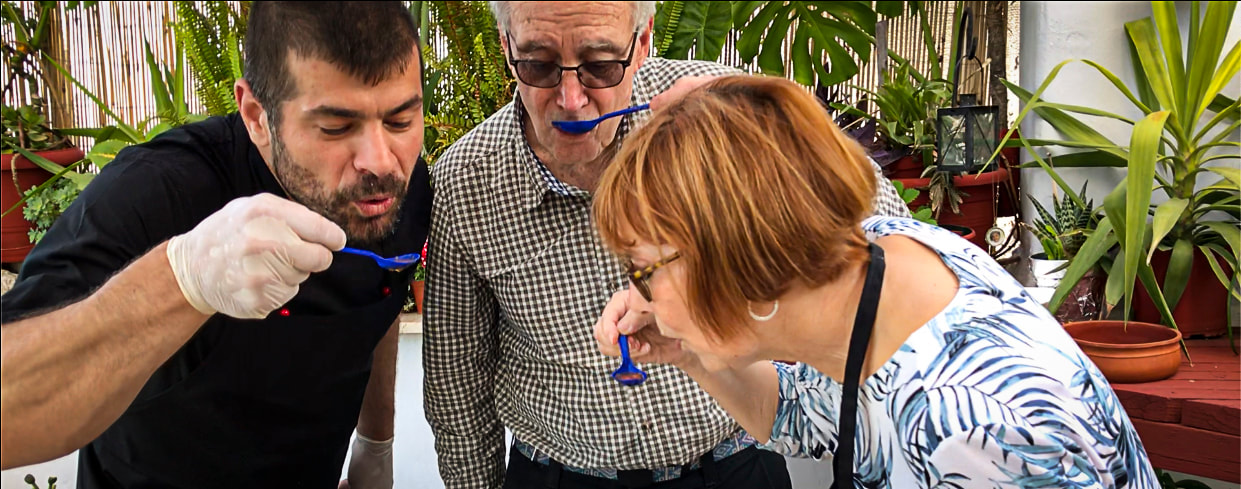
I’m lucky that living in Seville, my Home 2.0, and traveling the world creates so many opportunities to connect with people and learn about life. On my journeys, often I have an ostensible purpose, such as sampling traditional recipes for
The Great Mediterranean Comfort Food Tour
, and the deeper underlying goal of creating opportunities to chat with grandmothers willing to share their hard-won wisdom and young entrepreneurs exploring their dreams.
I have become addicted to being thunderstruck, a trait I share with many travel writers. Douglas Adams, best known for
The Hitchhiker’s Guide to the Galaxy
, expressed this in his own wry way in his travel memoir about endangered species,
Last Chance to See.
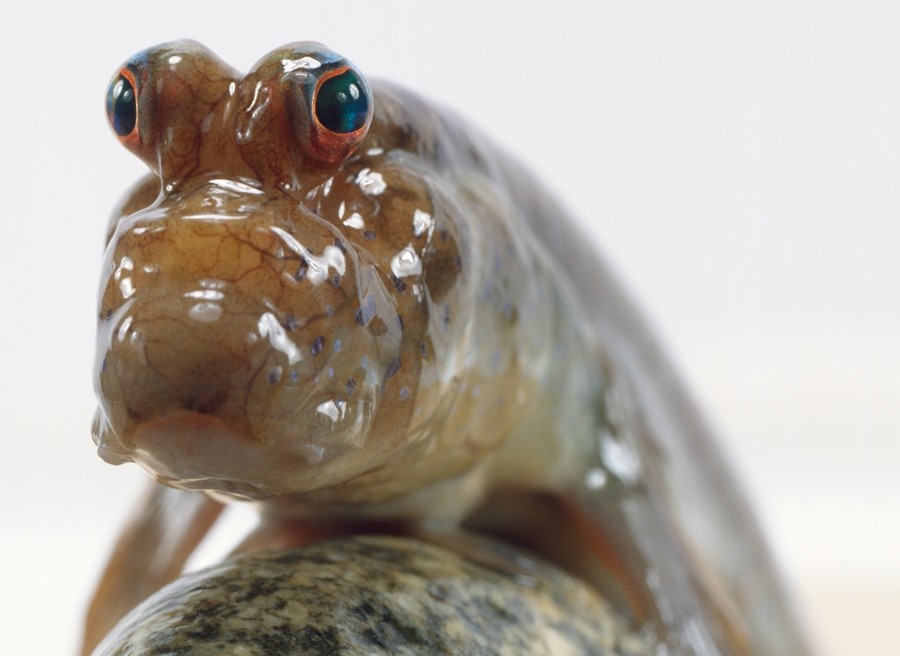
“Some fish were jumping up the beach and into the tree,” he wrote, “which struck me as an odd thing for a fish to do, but I tried not to be judgmental about it. I was feeling pretty raw about my own species, and not much inclined to raise a quizzical eyebrow at others.”
I learned these tree-climbing fish, known as mudskippers, are at risk because their coastal habitats are disappearing fast. But because they are (and I say this lovingly) among the least attractive species on earth, and have a lackluster name to boot, efforts to save them aren’t attracting much attention.
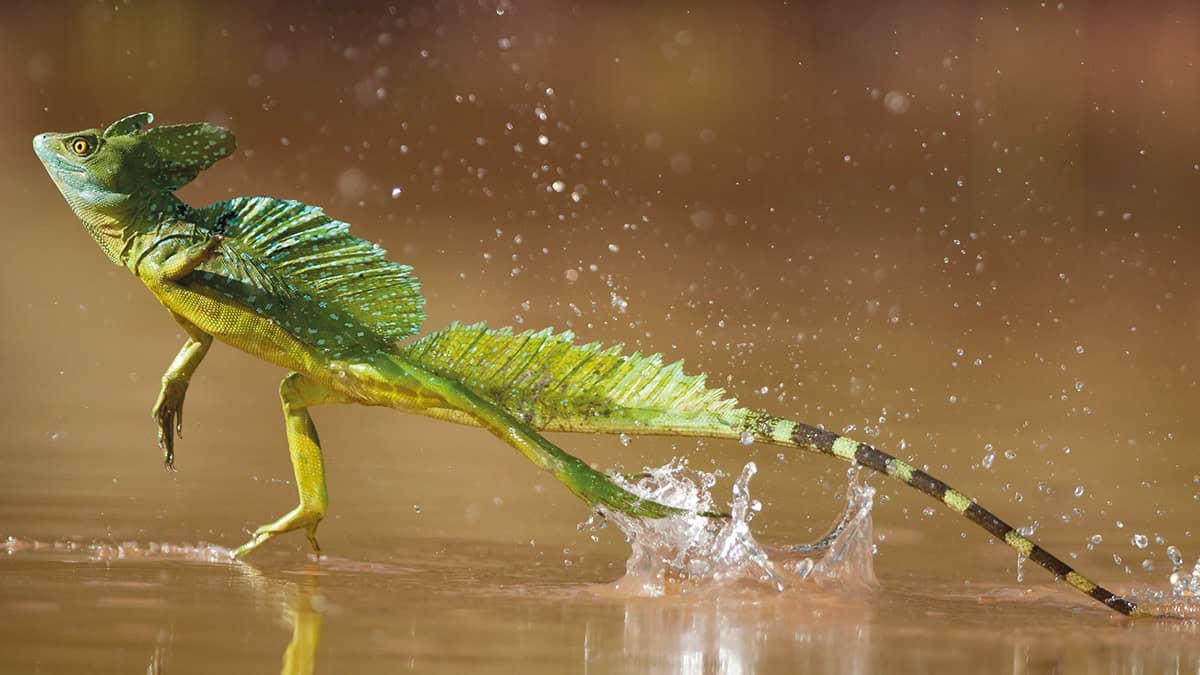
I haven’t managed to see a mudskipper yet, but on our honeymoon in Costa Rica I encountered its cousin the Jesus lizard, which walks on water. When startled, the creature rears up on its hind legs and sprints across the surface of the nearest puddle or pond, its webbed feet catching air bubbles, its light weight making it possible to traverse distances up to 66 feet.
Watching one in action all those years ago, I remember thinking, “You really have to love a world capable of producing creatures like that.”
I still feel that way. Yes, in spite of everything that’s happening right now.
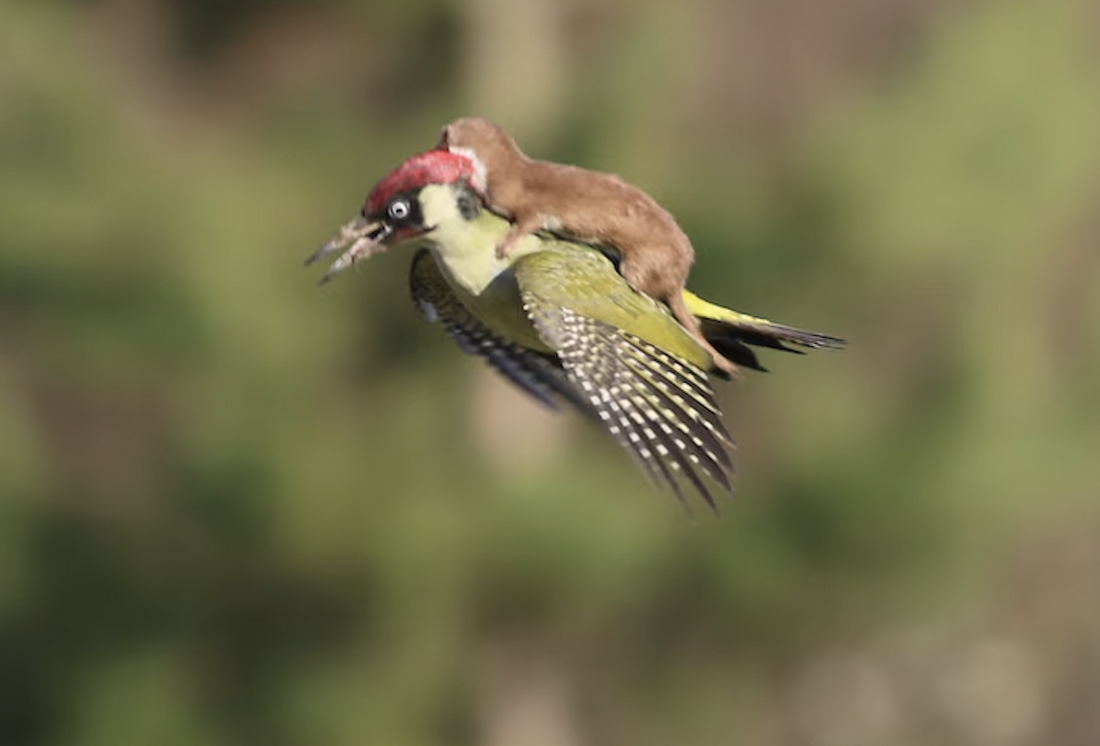
One of my overarching purposes in life is lifting the spirits of my readers, to remind us all of the persistence of joy, even in dark times. So here’s one of the most uplifting wildlife pictures I’ve ever seen:
a weasel riding on the back of a flying woodpecker
in a London park.
Is it real? The BBC and world press confirmed it, and as it dates back ten years, to a time before everyone had ready access to AI graphics, I’m going to say yeah, I believe it’s genuine.
How did it happen? “Green woodpeckers actually feed on the ground,” explained a BBC commentator. “The female lesser weasel weighs about the same as a Mars bar — but is as ferocious as a lion.”
You can imagine her surprise when she leapt on her prey and the bird took flight. When amateur
photographer Martin Le-May
snapped his now-famous shot, he distracted the weasel just enough for the woodpecker to shake free and fly off.
I like to picture that little weasel down at the pub afterwards, telling the one from
Animal Control
, “Oh, yeah? Well, wait till you hear what happened to me!”
HOME 2.0
This is the latest in my series of blog posts exploring what it takes to create a better life for yourself abroad — or at home, for that matter.
See all posts in this series
.
WANT MORE?
To subscribe, send me an email.
[email protected]
SUBSCRIBED BUT NOT GETTING POST ANNOUNCEMENTS?
Check your spam folder
.
If you still can’t find it, please let me know.
GOING SOMEWHERE?
Enter any destination or topic, such as packing light or road food, in
the search box
below
. If I’ve written about it, you’ll find it.
Leave a Reply